Bulky Waste Removal in TW1: Sofa & Appliance Solutions
If you have an old sofa blocking the hallway, a fridge that has finally given up, or a bulky mattress that no one wants to lift, you are not alone. Bulky Waste Removal in TW1: Sofa & Appliance Solutions is one of those jobs that sounds simple until you try to do it yourself. Then the stairs feel narrower, the item feels heavier, and the lift suddenly seems much smaller than you remembered.
This guide walks you through what bulky waste removal actually involves in TW1, how sofa and appliance collection tends to work, what to watch out for, and how to choose the right approach for your home or business. It is written to help you make a sensible decision, not just a quick one.
There is a real difference between "getting rid of something" and getting rid of it properly, safely, and without creating extra stress. That difference matters more than people think.
Table of Contents
- Why Bulky Waste Removal in TW1: Sofa & Appliance Solutions Matters
- How Bulky Waste Removal in TW1: Sofa & Appliance Solutions Works
- Key Benefits and Practical Advantages
- Who This Is For and When It Makes Sense
- Step-by-Step Guidance
- Expert Tips for Better Results
- Common Mistakes to Avoid
- Tools, Resources and Recommendations
- Law, Compliance, Standards, or Best Practice
- Options, Methods, or Comparison Table
- Case Study or Real-World Example
- Practical Checklist
- Conclusion
- Frequently Asked Questions
Why Bulky Waste Removal in TW1: Sofa & Appliance Solutions Matters
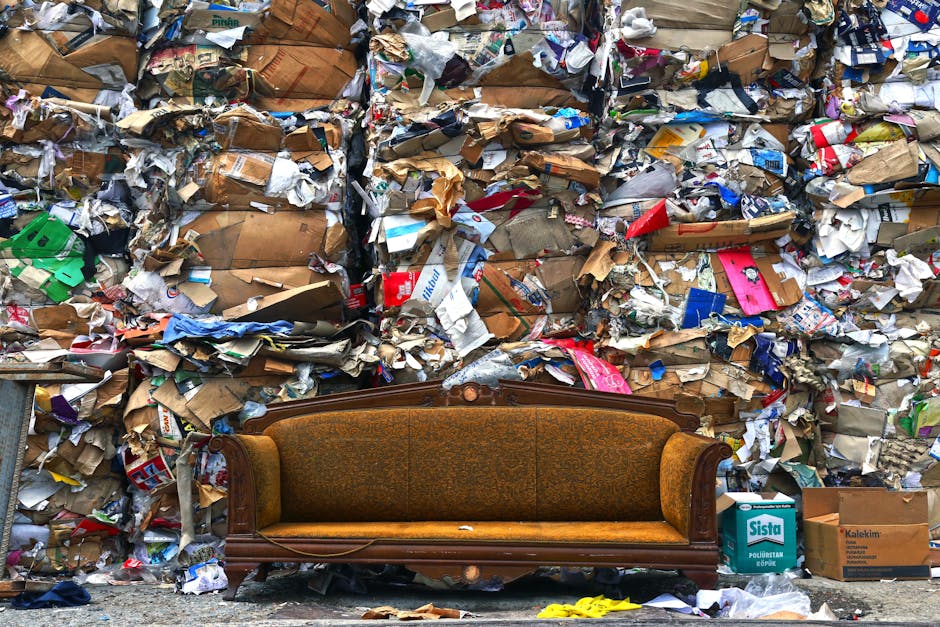
Bulky waste is different from everyday rubbish. A broken sofa, wardrobe, washing machine, oven, or fridge needs more than a standard bin collection. In TW1, where homes range from compact flats to family houses and mixed-use properties, large items can quickly become an obstacle in themselves. They take up space, make rooms harder to use, and in some cases create safety risks if they are left in hallways, gardens, or communal areas.
Let's face it: the "I'll deal with it next weekend" approach rarely works well with bulky items. Sofas gather dust, fridges become awkward storage spots, and appliances can become a trip hazard if they are moved halfway and abandoned. If an item is too large to lift safely, or too awkward to fit into your car, you need a proper plan.
There is also the local reality of access. In TW1, narrow streets, parking restrictions, and staircase-heavy buildings can make removal more complicated than expected. That is where a structured service helps. It reduces the chance of damage to walls, flooring, lifts, and the item itself. It also saves you from having to recruit two neighbours, a borrowed trolley, and a lot of optimism.
For many people, the biggest reason bulky waste removal matters is time. A single sofa can consume an entire afternoon if you are trying to move it, load it, transport it, and figure out where it should go next. A proper removal solution shortens that process and keeps it orderly.
Expert summary: bulky waste removal works best when the item is assessed first, access is checked second, and lifting is done with the right equipment third. The order matters. A lot.
How Bulky Waste Removal in TW1: Sofa & Appliance Solutions Works
The exact process varies depending on the provider and the item, but most bulky waste removals follow a straightforward pattern. First, you explain what needs removing: a three-seater sofa, a recliner, a washer-dryer, a fridge freezer, or a mixed load. Then the team checks practical details such as size, location, stair access, and whether the item needs special handling.
For example, a sofa in a ground-floor lounge is one thing. A sofa on the third floor with a tight landing and a sharp corner is another. Appliances can be even more nuanced. A fridge may need to be disconnected and emptied first, while some items may require care to avoid leaking water, damaging floors, or dragging electrical cables across the property.
A service may use a man and van style setup for smaller removals, or a larger vehicle where multiple bulky items need to be cleared in one go. For bigger jobs, especially if there are several pieces of furniture involved, it can make sense to look at removal truck hire or a more spacious transport option. If the collection is part of a bigger move, the service may fit neatly alongside home moves or even a planned clearance before a sale or tenancy handover.
Here is the practical flow most people can expect:
- Share details of the bulky item or items.
- Confirm access, parking, and any carrying distance.
- Agree a collection time and removal approach.
- Prepare the item if needed, such as emptying appliances.
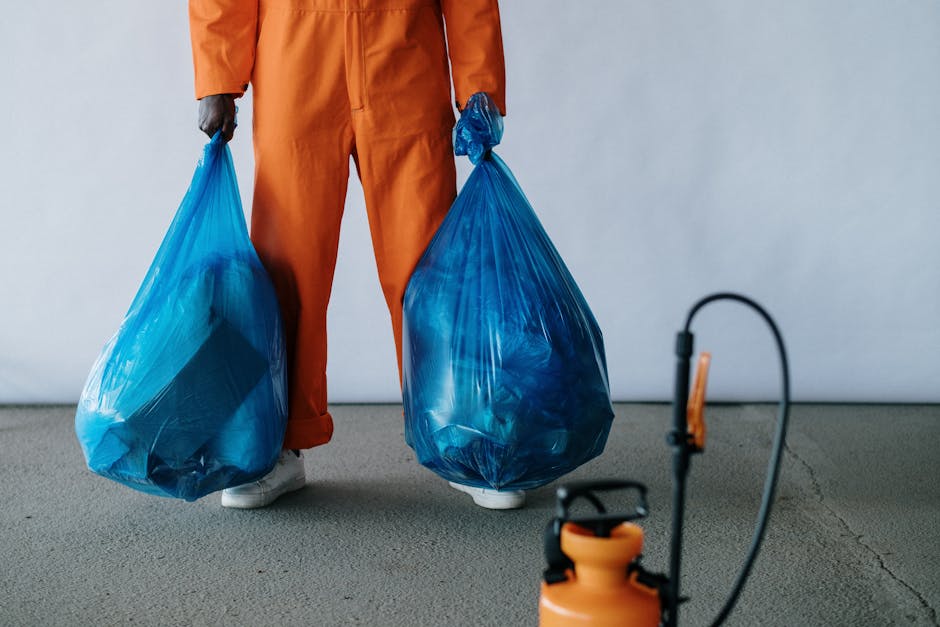
- Lift, protect, and remove the items safely.
- Load the items for disposal, reuse, or onward handling where appropriate.
That sounds tidy, and usually it is. But real life has a habit of adding little complications. A sofa leg snaps. A cooker is wider than the doorway. A freezer door opens the wrong way. A good provider will expect a few of these wrinkles and work around them calmly.
If you are clearing a whole property rather than a single item, a broader service such as house removalists or furniture pick-up may be more efficient, especially when bulky waste is mixed with reusable furniture.
Key Benefits and Practical Advantages
The obvious benefit is simple: the item goes away. But the stronger value is in everything that comes with that. A well-organised bulky waste removal saves your back, your time, and often your walls. In a busy TW1 household, that can be the difference between a messy weekend and a job that feels oddly satisfying once it is done.
- Less lifting stress: no wrestling a sofa down the stairs alone.
- Faster turnaround: large items are cleared without turning your day upside down.
- Reduced property damage: proper handling helps protect doors, skirting boards, and flooring.
- Better space management: rooms become usable again sooner.
- More sensible disposal: appliances and furniture are handled in a more structured way.
- Cleaner end result: the area does not look half-finished or cluttered.
There is also a mental benefit people often underestimate. A broken washing machine in the kitchen has a way of nagging at you every time you walk past it. Once it is gone, the room feels lighter. Quieter, almost.
For landlords, agents, and tenants, the benefit is even more practical. End-of-tenancy clearances can be easier when a bulky item is removed quickly, and that can help keep the next stage of the process moving. For offices or small commercial spaces, the same logic applies. A single redundant appliance or old reception sofa can make a workspace look untidy and less cared for. If you are dealing with business premises, commercial moves and office relocation services can sit alongside bulky item removal during a larger clearance.
Who This Is For and When It Makes Sense
Bulky waste removal in TW1 is useful for more people than you might first expect. Homeowners, tenants, landlords, letting agents, office managers, and small business owners all run into the same problem sooner or later: something too big for normal disposal.
This service makes sense if you are dealing with:
- an old sofa that will not fit in your vehicle
- a broken fridge, freezer, washing machine, or dishwasher
- multiple furniture items after a clear-out
- a house move where unwanted items need to go first
- an office refresh with surplus desks, chairs, or appliances
- a property clean-up before sale, rental, or refurbishment
Some people only need a one-off collection. Others need a more rounded moving and clearance plan. In those cases, combining bulky waste removal with a man with van arrangement can be a neat solution, especially where access is tight and the load is not enormous.
Truth be told, the decision often comes down to one question: is this worth trying to move yourself? If the item is light, small, and easy to carry, maybe yes. If it is large, awkward, greasy, damp, sharp, or all of the above, probably not. That is the honest answer.
Step-by-Step Guidance
Here is a practical way to approach sofa and appliance removal without making the job harder than it needs to be.
1. Identify exactly what needs removing
Write down the item type, approximate size, number of pieces, and whether it is still assembled. A three-seat sofa with detachable cushions is easier to plan for than a sectional set with a corner unit and a fixed frame. Likewise, a standard under-counter appliance is very different from a large American-style fridge freezer.
2. Check access before moving anything
Measure doorways, stair turns, and lift dimensions if needed. This sounds obvious, but it is often skipped. A sofa that looks manageable in the lounge can become a stubborn beast at the hallway bend. We have all seen that moment where everyone stops, looks at the angle, and silently rethinks their life choices.
3. Prepare the item properly
For appliances, empty them, defrost where needed, and disconnect them safely. For furniture, remove cushions, loose parts, or shelves. If an item is especially dirty or damp, it may be worth wrapping or protecting the surrounding area to avoid mess while moving it.
4. Plan the route
Clear the path from the item to the exit. Move shoes, bins, plant pots, children's toys, and anything else that slows the carry. It is a small step, but it saves time and reduces the chance of knocks and scrapes.
5. Decide on the right vehicle and lifting help
Some removals can be done with a smaller vehicle. Others need a larger truck or a service designed for heavier loads. If the job involves several bulky items, a moving truck may be more practical than trying to squeeze everything into repeated trips. The key is to match the transport to the volume, not the other way around.
6. Remove and load carefully
Good lifting technique matters. Keep weight balanced, use the right number of people for the job, and avoid twisting awkwardly. That last bit is not glamorous, but it matters. Plenty of back pain starts with a "quick lift".
7. Confirm the end result
Once the item is gone, check the space for screws, debris, leaking water, or scuffs. If the item came from a kitchen or utility room, give the floor a quick clean before moving on. It is much nicer to finish on a clean note.
Expert Tips for Better Results
Over time, the jobs that go smoothly usually have a few things in common. None of them are particularly dramatic, but they do make a difference.
- Take measurements early: do not assume the item will fit through the exit just because it fits in the room.
- Photograph awkward items: a few pictures can help clarify access and condition before collection day.
- Separate reusable from truly waste items: it helps to know what is being cleared and what might be kept or repurposed.
- Keep appliance cables and hoses together: tangled parts slow everything down.
- Protect corners and floors: a blanket, cardboard sheet, or simple barrier can prevent damage on tight turns.
- Book with enough lead time: especially if your clearance needs to be completed before a tenancy change or delivery.
Another useful habit is to think about the removal in layers. First, what has to leave the property? Second, what needs to be disconnected or dismantled? Third, what path will it take out? That way, you are not figuring it out while carrying a heavy object at arm's length. Which, to be fair, is never the best moment for improvisation.
If your bulky waste forms part of a wider home organisation project, services like packing and unpacking services can also be useful. They help reduce the chaos around the removal and make it easier to clear rooms in a controlled way.
Common Mistakes to Avoid
People usually do not get bulky waste removal wrong because they are careless. More often, they underestimate the size of the job. A sofa does not look all that dramatic until it gets stuck in a doorway. Funny, in a slightly annoying way.
- Not measuring first: the most common mistake, and one of the easiest to avoid.
- Leaving appliances connected: this can cause leaks, damage, or unsafe handling.
- Forgetting access issues: parking, staircases, lift size, and turning space all matter.
- Trying to lift too much at once: this is how scuffed walls and sore backs happen.
- Assuming every item can be treated the same way: a sofa, oven, and washing machine each need slightly different handling.
- Leaving the job until the last minute: time pressure leads to rushed decisions.
Another mistake is mixing a clearance job with a move without telling anyone. If your bulky waste is part of a larger relocation, be clear about that from the beginning. A good moving team can plan around it, but only if they know what they are dealing with. That is why services like house removalists or furniture pick-up can be so useful when the job is broader than a single collection.
Tools, Resources and Recommendations
You do not need a warehouse full of equipment, but the right basics help. For most bulky waste jobs, these are the practical tools worth thinking about:
- work gloves with good grip
- furniture blankets or protective wraps
- trolley or sack truck for suitable items
- ratchet straps or tie-downs for transport
- basic screwdrivers or spanners for disassembly
- duct tape or cable ties for securing loose parts
- bucket or towels for any appliance drip or condensation
But tools are only half the story. The bigger recommendation is to choose the method that fits the item, access, and urgency. A one-off sofa removal does not always need a full-scale move plan. A mixed clearance with furniture and appliances may need more planning. And a larger property clean-out may be best handled alongside a broader moving service.
For people who want a flexible transport option, man and van can suit smaller collections, while removal truck hire suits more substantial loads. There is no prize for using a bigger vehicle than you need, and no medal for trying to do too much with too little either.
Law, Compliance, Standards, or Best Practice
Any bulky waste removal should be handled with care, common sense, and proper disposal practices. In the UK, households and businesses should be cautious about who removes waste and where it ends up. The basic expectation is that items are taken away responsibly and not dumped somewhere inconvenient for everyone else.
For appliances, there is also a practical safety element. Fridges, freezers, washing machines, and similar items can contain water, oils, or components that should not be mishandled. They are often heavy in awkward ways. A fridge may look manageable until it starts slipping sideways on a staircase. Then it becomes a very different story.
Best practice usually includes:
- confirming what items are included before collection
- making sure appliances are safely disconnected
- avoiding unsafe manual lifting
- protecting property during removal
- ensuring items are taken to an appropriate disposal or handling route
For businesses, there can be additional duties around property management and workplace safety, especially if staff or contractors are moving large items through shared areas. A sensible provider will treat those environments carefully, whether the job involves a shop, office, or mixed-use building.
If you want to understand the way a provider handles its service terms and privacy, it is always worth reading the relevant pages such as terms and conditions and privacy policy. Not thrilling reading, admittedly, but useful.
Options, Methods, or Comparison Table
There is more than one way to deal with bulky waste in TW1. The right choice depends on the number of items, how awkward they are, and how quickly you need the space back.
| Option | Best for | Strengths | Limitations |
|---|---|---|---|
| Self-removal | Light, manageable items | Can be inexpensive if you already have transport | Heavy lifting, access issues, and disposal logistics fall on you |
| Man and van | Small to medium bulky items | Flexible, practical, good for single items or short notice | May not suit large multi-item clearances |
| Furniture pickup | Sofas, beds, wardrobes, mixed furniture | Useful for larger home clearances and reusable items | Not always ideal for heavy appliances alone |
| Removal truck hire | Big loads or multiple bulky items | More space, better for batch removals | May be more than you need for one item |
| Full move support | Households or businesses clearing several rooms | Best for combined clearance and relocation | Usually more involved than a simple collection |
The neat lesson here is simple: the "best" method is not always the cheapest on paper. If a cheap option costs you half a day, three bruised walls, and a lot of frustration, it is not really cheap. It is just delayed pain.
Case Study or Real-World Example
Consider a typical TW1 flat clear-out. A tenant needs to remove a two-seat sofa, an old microwave, and a washing machine before handover. The sofa is too bulky for the car. The washing machine still has water in the hose. The flat is on the first floor, the stairwell is narrow, and there is a shared entrance with limited parking outside.
The sensible approach starts with checking the measurements and access. The appliance is disconnected and prepared safely. The sofa cushions are removed to reduce width. The route from the flat to the front door is cleared of bags, shoes, and anything else that might snag. A van-sized solution is enough for this job, but only because the items were assessed properly first.
What made the difference was not brute force. It was planning. The job moved from "this will be a nightmare" to "that was actually manageable" because each step was considered in the right order. That is usually how good removals feel when they are done well: calm, efficient, almost boring in the best possible way.
In a slightly larger household job, the same approach can be combined with broader moving support. If there are keep-items, donate-items, and dispose-items all mixed together, a coordinated service such as home moves can help keep the process from turning into a pile of boxes and second guesses.
Practical Checklist
Use this before your sofa or appliance collection. It keeps the process tidy and prevents the usual last-minute scramble.
- Identify each bulky item clearly.
- Measure doors, stairways, and lift access.
- Check whether appliances need disconnecting or defrosting.
- Remove cushions, shelves, loose parts, or detachable feet.
- Clear the path from the item to the exit.
- Protect floors and corners where needed.
- Confirm parking or loading access.
- Decide whether one item or several items need removing.
- Choose the right transport method for the load.
- Keep important documents, keys, and valuables out of the work area.
Quick reminder: if an item is heavy enough to make you hesitate, that hesitation is useful data. Do not ignore it.
Get a free quote today and see how much you can save.
Conclusion
Bulky waste removal in TW1 does not have to be complicated, but it does need to be handled with some care. Sofas, fridges, washing machines, and other oversized items create their own problems if they are left too long or moved without a plan. The good news is that the right approach makes the whole thing much easier.
Whether you are clearing one awkward item or sorting a full room, the key is to match the method to the job, check access early, and avoid the classic rushed-lift mistake. A calm, organised removal saves time and keeps the property in better shape. Simple, really. Not always easy, but simple.
If you are ready to deal with the clutter properly, take the next step while the space and the motivation are still there. Future-you will be grateful. Probably very grateful.
Frequently Asked Questions
What counts as bulky waste in TW1?
Bulky waste usually means large household or business items that are too big for normal bin collection, such as sofas, wardrobes, beds, fridges, freezers, washing machines, and similar appliances.
Can a sofa be removed from a flat with narrow stairs?
Yes, but access needs to be checked first. The sofa may need cushions removed or the route planned carefully so that walls, bannisters, and flooring are not damaged.
Do appliances need to be disconnected before removal?
In most cases, yes. Appliances should be safely disconnected, emptied, and prepared before collection. That reduces the risk of leaks, damage, and awkward surprises on the day.
Is bulky waste removal the same as furniture pick-up?
Not exactly. Furniture pick-up focuses more on sofas, beds, tables, and similar household pieces, while bulky waste can also include appliances and other oversized items.
What is the best option for one old sofa?
For a single sofa, a smaller flexible service is often the most practical choice. If access is simple, a man and van arrangement can be enough. If the sofa is part of a larger clearance, a bigger vehicle may be more efficient.
How should I prepare a fridge or freezer for removal?
Empty it fully, unplug it, and allow time for defrosting where needed. Wipe away moisture if necessary and keep the area around it clear so it can be moved safely.
Can bulky waste removal be combined with a house move?
Yes, and that is often a smart move. If you are moving out and also getting rid of unwanted furniture or appliances, combining the tasks can save time and reduce double handling.
What should I check before booking a removal service?
Check the item type, access, parking, collection timing, and whether the item needs disassembly or special handling. Clear information makes the process smoother and avoids delays.
Is it worth hiring a larger truck for a few items?
Only if the items are large, awkward, or part of a bigger load. Otherwise, a smaller transport option may be better. The right choice depends on the size and number of items, not just the label on the vehicle.
Can I leave bulky items in a communal area for collection?
It is usually better not to. Leaving large items in shared spaces can block access and create safety concerns. Arrange the collection so the items are removed directly and promptly.
How do I know if I need professional help?
If the item is too heavy, too awkward, too large for your vehicle, or difficult to move safely, professional help is sensible. If you are already wondering whether it might be a two-person job, that is a good sign to stop and reassess.
What if I need help with more than just one item?
If you have several bulky items, mixed furniture, or a wider property clearance, it can be more efficient to use a service that covers larger removals or full-property support rather than tackling everything separately.