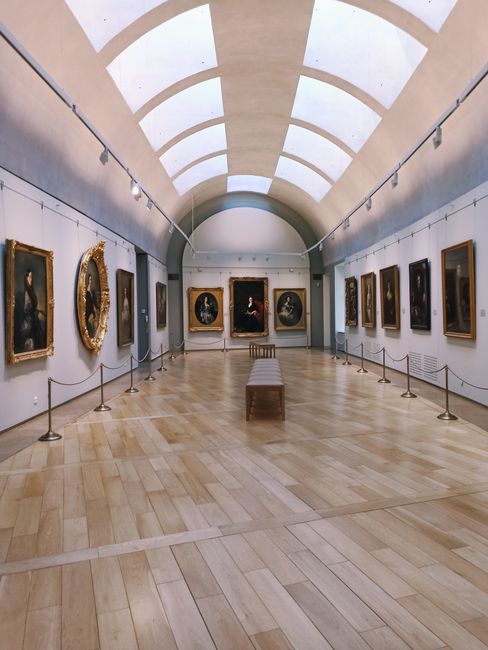
Orleans House gallery art removal service in Twickenham: a practical local guide
If you need an Orleans House gallery art removal service in Twickenham, you are probably dealing with something delicate, awkward, and a bit nerve-racking. Art is rarely just "stuff". It can be framed, fragile, valuable, sentimental, oversized, or all four at once. And if the move involves a gallery setting, the margin for error gets smaller fast. One knock, one bad wrap, one slippery corridor in the wrong moment, and the day turns stressful.
This guide explains how art removal services work in and around Twickenham, what to expect from a careful provider, and how to avoid the mistakes that cause damage or delay. It also covers local practicalities, planning tips, and the kind of decisions that make a real difference when a painting, sculpture, or installation needs to be moved safely.
To be fair, most people do not book art removal every week. That is exactly why a clear, grounded explanation helps.
Why Orleans House gallery art removal service in Twickenham Matters
Art removal looks simple from the outside. You lift, you carry, you load. Done. But in a gallery or heritage-style setting, the real job is protecting objects that may be unusually fragile, awkwardly shaped, or vulnerable to vibration, humidity changes, fingerprints, and sudden movement. That is why an Orleans House gallery art removal service in Twickenham matters so much: it reduces risk in a place where damage can happen very quickly and, once it does, is often expensive or impossible to reverse.
Twickenham also brings its own practical quirks. Some locations have narrow entrances, tight corners, older floors, uneven approaches, or parking constraints that can make a straightforward move feel strangely complicated. Add in public access, time windows, and the need to keep staff, visitors, and the artwork itself safe, and the value of a well-managed removal becomes obvious.
In our experience, the best art removals are the ones that look almost boring while they happen. Calm, tidy, measured. No rushing. No improvising with whatever tape is lying around. Just a proper process.
There is another reason this matters: reputation. Galleries, collectors, artists, curators, and venue managers all have a duty to protect the work in their care. If a move goes wrong, the issue is not only physical damage. It can also affect trust, scheduling, insurance conversations, and future exhibition plans. Nobody wants that phone call on a Friday afternoon.
How Orleans House gallery art removal service in Twickenham Works
A good art removal service follows a careful sequence rather than a rushed, one-size-fits-all move. The exact method depends on the object, the building, access conditions, and how far the piece needs to travel, but the basic principles stay the same.
1. Initial assessment
The process usually starts with understanding what is being moved. That means size, weight, frame condition, fragility, mounting type, and whether the piece can be transported upright, flat, or in a custom cradle. For larger works, the mover may also need to check wall fixings, lift access, stair width, door clearances, and any restrictions around timing.
2. Packing and protection
Art packaging is not just about bubble wrap thrown around the edges. It can include acid-free tissue, corner protection, glass-safe film, moving blankets, picture cartons, crates, foam inserts, and straps arranged so pressure points do not damage the work. For particularly sensitive items, custom crating is often the safest route.
3. Safe handling
Carrying art is about control, not brute force. Two-person lifts, gloves where appropriate, careful communication, and slow movement through doorways all matter. A corridor can be just as risky as the truck. Sometimes more so, because people relax too early. That little moment near the exit, where everyone thinks the hard part is over? Yes, that is often where things go wrong.
4. Transport
Inside the vehicle, the load should be secured so it cannot slide, tip, rub, or absorb unnecessary vibration. A clean, well-organised vehicle matters because dust, loose tools, and unstable stacking are a bad combination when artwork is involved. If climate sensitivity is an issue, transit conditions should be planned carefully rather than guessed at.
5. Delivery and placement
The final stage is not just dropping items at the destination. The artwork needs to be unloaded, checked, and placed exactly where it is required. If installation is part of the service, the mover should coordinate with the client to ensure placement, fixing, or re-hanging is done safely and correctly.
For broader move planning, some clients also coordinate art removal with packing and unpacking services or a man and van solution when the job is smaller but still delicate. The right setup depends on the object, not the label.
Key Benefits and Practical Advantages
The strongest reason to use a professional art removal service is simple: better protection. But the benefits go beyond avoiding chips and scratches.
- Lower risk of damage: Proper wrapping, lifting, and loading reduce the chance of knocks, crushing, bending, or moisture exposure.
- Less stress for staff: Gallery teams can stay focused on the exhibition, schedule, or visitors rather than wrestling with logistics.
- Better handling of awkward items: Oversized frames, mirrored works, sculpture bases, and mixed-media pieces are not easy to move safely without experience.
- Cleaner coordination: A professional process helps avoid rushed exits, blocked access, and those annoying little delays that add up.
- More predictable timing: Careful planning means fewer surprises on the day, which is always nice, especially if public opening hours are involved.
- Documentation and accountability: Reputable movers tend to work with clear inventories, condition checks, and agreed steps.
There is also a quieter advantage: peace of mind. A curator or collector can actually breathe a bit. That sounds small, but it matters. Moving art without clear process can feel like carrying a full tea tray through a crowded room - technically possible, but nobody wants to test gravity.
When the service is done well, the move feels controlled from start to finish. And that is worth a lot.
Who This Is For and When It Makes Sense
This kind of service is not only for major museums or formal galleries. In practice, a lot of different people in Twickenham may need art removal support.
- Gallery managers: for exhibition changeovers, loans, storage transfer, or deinstallation.
- Artists: when moving large canvases, framed series, sculptures, or mixed-media pieces to a show or studio.
- Collectors: when relocating framed works, fragile pieces, or valuable items between homes, storage, or display locations.
- Interior designers and decorators: when artwork needs safe movement during a refresh, fit-out, or staging project.
- Estate and property teams: when art has to be removed before maintenance, refurbishment, or occupancy changes.
- Event organisers: when temporary installations need to be taken down quickly and carefully.
It makes sense whenever the object is valuable, fragile, awkward, or time-sensitive. Even if the artwork is not museum-grade, it can still be emotionally important or expensive to repair. A signed print in a narrow stairwell deserves more thought than people sometimes give it. Truth be told, that is where many avoidable accidents happen.
If the move also involves furniture, fittings, or wider building access, it can help to compare a specialist art move with broader removal support like house removalists or office relocation services. Sometimes you need both disciplines working together.
Step-by-Step Guidance
If you are planning an art removal in Twickenham, the cleanest way to think about it is as a sequence. Do the right things in the right order and the day gets a lot easier.
- List every item to be moved. Include dimensions, materials, frame type, and any known fragility. If something has loose glazing, flaking paint, or a delicate mount, say so early.
- Check access at both ends. Measure doors, stair turns, lift sizes, and parking or loading restrictions. A piece can be perfectly safe on paper and still impossible to turn around a landing.
- Confirm handling requirements. Decide whether items need specialist wrapping, a crate, a protective cover, or upright transport. Some works should never be laid flat without proper advice.
- Agree timing and sequencing. If visitors, contractors, or other teams are on site, make sure movement windows are planned carefully. A quiet early slot can save a lot of hassle.
- Prepare the route. Clear the path, protect corners and floors where needed, and make sure doors can remain open safely during the move.
- Carry out condition checks. Before loading, inspect each item. Take note of existing marks or movement in the frame so there is a clear record.
- Load securely. Place art so it cannot slide, chafe, or lean at a dangerous angle. Secure the load before the vehicle moves, not after.
- Inspect on arrival. Unpack with care, compare condition, and place items in their new location only when the team is ready.
That sounds orderly because it is. But it is also the bit that saves time later. A few minutes of planning can prevent an hour of panic.
Expert Tips for Better Results
Experienced movers tend to focus on the same handful of details, because those details keep paying off.
Measure more than once
Do not rely on a quick visual check. Doorways, corridor bends, stair widths, and lift interiors can be deceptive. Measure the object and the route. Then check again if anything changes.
Respect weight distribution
Large frames, glass-fronted pieces, and sculpture bases can be heavier on one side than they look. Uneven balance is what turns a manageable item into an awkward one. If it feels awkward to hold, it probably is.
Choose packaging to suit the artwork
Not all protection is equal. A soft wrap may be fine for one item, while another needs rigid support and a crate. Don't overpack in a way that puts pressure on delicate surfaces, though. More material is not always more safety.
Keep handling communication simple
Short, clear instructions work best: stop, lift, rotate, wait, set down. During a move, people often talk too much. A calm, concise call saves confusion.
Plan for the awkward final five percent
The big open spaces are rarely the problem. It is the final stretch near a door frame, the last turn in the stairwell, or the step down onto the pavement that catches people out. Always plan that bit first.
Use suitable support for bigger jobs
For larger or more complex removals, a vehicle choice matters. A dedicated moving truck or removal truck hire may be a better fit than a smaller vehicle, especially when the route includes multiple pieces or protective equipment.
One more thing. Never let speed become the goal. Calm is fast in this kind of work, even if it does not look dramatic.
Common Mistakes to Avoid
Most art removal mistakes are not mysterious. They are usually basic, preventable, and slightly annoying in hindsight.
- Underestimating the access route: The artwork fits the doorway, but not the turn after it. Classic.
- Using the wrong packaging: Cheap wrapping can shift, crush corners, or trap moisture.
- Failing to record condition: Without a proper check, it becomes harder to know when or where damage occurred.
- Rushing loading or unloading: Time pressure is where care tends to disappear.
- Ignoring building rules: Some venues, estates, and managed properties have specific access procedures that should be respected.
- Mixing art transport with general clutter: Loose tools, boxes, and heavy items should not share space with delicate work.
- Assuming all movers handle art equally well: General removals experience helps, but art needs different habits and judgment.
One small but common issue is forgetting how warm a vehicle can get after sitting in the sun, even in London. It does not sound dramatic, but for certain materials, temperature swings are not ideal. Best not to shrug that off.
Tools, Resources and Recommendations
The right tools make the job cleaner, safer, and less chaotic. You do not need a warehouse full of specialist kit for every move, but you do need the right basics.
| Tool or Resource | What it helps with | Why it matters |
|---|---|---|
| Picture blankets and wraps | Surface protection | Reduces scratches, scuffs, and dust contact |
| Corner protectors | Framed works and panels | Helps prevent edge damage in tight spaces |
| Custom crates | Valuable or fragile pieces | Offers a more secure, stable transport environment |
| Gloves and handling aids | Grip and cleanliness | Helps avoid fingerprints and improves control |
| Condition report template | Before-and-after checks | Creates clarity and accountability |
| Suitable vehicle space | Transport security | Prevents shifting and accidental contact |
If your move is part of a wider home or business transition, it can also help to look at supporting services like furniture pick-up for larger household items, or commercial moves if the art is one part of a broader premises change. Sometimes the smartest move is joining the dots rather than treating every item separately.
And if you are comparing providers, useful background reading includes licensed movers in Twickenham, which can help you ask better questions before booking.
Law, Compliance, Standards, or Best Practice
Art removal is not usually about one single regulation, but it does sit within normal UK expectations for safe work, careful handling, and responsible transport. In plain English: the people doing the job should be competent, insured where appropriate, and able to explain how they will protect the items and the building.
For gallery and venue settings, best practice usually includes:
- clear access planning and risk awareness
- proper handling methods for fragile or valuable items
- appropriate manual handling procedures
- documentation of condition before and after movement
- respect for property rules, loading limits, and shared spaces
- careful packing that matches the type of artwork involved
If a move involves public access, stairs, or tight communal areas, the team should think about safety for everyone nearby, not only the object itself. That may sound obvious, but in practice it is easy to overlook when everyone is keen to finish.
Insurance is another point worth checking. You do not need to become an expert overnight, but you should understand what cover applies, what exclusions may exist, and whether the provider has experience handling fine art, framed work, or specialist items. If anything is unclear, ask. Good providers do not mind that.
For local access issues around the borough, a practical read on council permit guidance for removals in Richmond upon Thames can help you think through parking and loading arrangements before moving day. A bit of planning there saves a lot of faff later.
Options, Methods, or Comparison Table
Depending on the artwork and the urgency of the move, there are a few different ways to approach the job. Here is a simple comparison.
| Method | Best for | Strengths | Trade-offs |
|---|---|---|---|
| Standard removal handling | Less fragile framed items | Efficient, practical, suitable for many routine moves | May not be enough for high-value or highly delicate works |
| Specialist art removal | Fragile, valuable, or irregular pieces | Better protection, planning, and handling detail | Usually needs more preparation |
| Custom crating and transport | Museum-style or exceptionally delicate items | Highest level of protection | More time and cost involved |
| Combined general move plus art support | House or office changes with mixed contents | Convenient when artwork is part of a larger move | Needs clear coordination so art does not get treated like ordinary furniture |
For some readers, the real choice is not between "cheap" and "expensive". It is between a generic move and one that actually respects what is being transported. That distinction matters.
Case Study or Real-World Example
Picture a small gallery-style space in Twickenham preparing for an exhibition changeover on a tight schedule. The team needs to remove several framed works, one heavier sculptural piece, and a fragile mixed-media item with protruding elements. The building has a narrow access route, a modest stairwell, and limited time before the next installation team arrives.
Rather than treating everything the same, the mover first separates the work into categories: standard framed items, awkward shapes, and fragile pieces that need extra support. The route is measured, the walls and corners are protected where needed, and the most delicate item is packed first so it can travel without last-minute fuss.
Nothing dramatic happens. Which is exactly the point.
The team finishes on time, the gallery avoids a rushed handover, and the artwork arrives without scuffs or strain. The real win is not just the safe removal itself. It is the fact that everyone involved stays calm enough to do the next step properly. And in my view, that calm is underrated. Big time.
If the same job had been handled casually, the result might have been a damaged frame, an irritated curator, or a delayed installation. None of those are fun. None at all.
Practical Checklist
Use this checklist before the move begins. It is simple, but it saves stress.
- Confirm exactly which artworks are being removed.
- Record dimensions, materials, and known vulnerabilities.
- Measure doors, stairs, lifts, and vehicle access.
- Check whether any item needs a crate or specialist wrap.
- Agree a clear loading and unloading order.
- Protect floors, corners, and any narrow pinch points.
- Prepare a condition note or inventory list.
- Make sure the vehicle space is clean and secure.
- Brief everyone involved on handling instructions.
- Inspect each item on arrival before final placement.
Expert summary: The safest art removals are rarely the fastest-looking ones. They are the ones where planning, packaging, access checks, and patient handling all line up before anyone lifts a thing.
Conclusion
An Orleans House gallery art removal service in Twickenham is really about more than transport. It is about protecting value, respecting the work, and making a potentially stressful process feel controlled. Whether you are moving one framed piece or a whole set of exhibition items, the best results come from clear planning, careful packing, and people who understand that art needs a different level of attention.
If you are weighing up your options, think first about the object, then the access, then the schedule. That order tends to work. It keeps surprises to a minimum and gives the artwork the safest possible journey.
And honestly, when the final piece is placed exactly where it should be, with no scrapes and no drama, that quiet relief is hard to beat.
Get a free quote today and see how much you can save.
Frequently Asked Questions
What is an Orleans House gallery art removal service in Twickenham?
It is a specialist removal service focused on safely packing, handling, transporting, and delivering artwork linked to a gallery setting in Twickenham. The emphasis is on protection, controlled movement, and careful planning rather than ordinary furniture moving.
Is art removal different from a normal house move?
Yes. Artwork often needs different packing materials, gentler handling, better condition checks, and more thoughtful transport positioning. A standard house move may not be enough for fragile or valuable pieces.
Do I need specialist help for framed pictures?
Not always, but if the frames are large, valuable, glass-fronted, or difficult to access, specialist help is usually wise. The risk is often higher than people expect, especially in narrow hallways or stairs.
How far in advance should I book art removal in Twickenham?
As early as you can, especially for gallery changeovers or time-sensitive installations. Early booking gives you time to check access, pack properly, and avoid a last-minute scramble.
Can art be moved with general household goods?
It can be, but only if it is packaged and secured properly. For sensitive or valuable works, it is usually better to keep artwork separate from bulky furniture or loose boxes.
What if the artwork is very fragile or irregularly shaped?
That is exactly when specialist handling matters most. A provider may recommend custom crating, extra padding, or a specific loading orientation to reduce movement and pressure on vulnerable areas.
Will the removal team also help with installation?
Some teams do, depending on the service. If re-hanging, placement, or coordination with gallery staff is needed, ask about it early so everyone knows what is included.
How do I know if a mover is suitable for art?
Look for clear handling procedures, sensible questions about access and dimensions, and evidence that they understand delicate items. If they brush off the detail, that is usually a bad sign.
Do I need to prepare the building before the move?
Yes, usually. Clear the route, protect vulnerable corners if needed, and make sure access points are ready. A little preparation helps the move go smoothly and keeps everyone safer.
What should I check after the artwork arrives?
Inspect the item before it is fully installed. Look for changes to the frame, surface, mount, or glazing, and compare it with the pre-move condition notes. Catching issues early is much easier than dealing with them later.
Can art removal be combined with storage or a larger move?
Yes, often it can. If you are moving a home, office, or commercial space at the same time, it may make sense to coordinate the artwork with broader removal or storage arrangements so the whole job is managed consistently.
What is the biggest mistake people make with art removals?
Assuming the item will be fine because it has made it this far. The journey is the risky bit. Proper packing, route planning, and controlled handling are what keep the work safe.