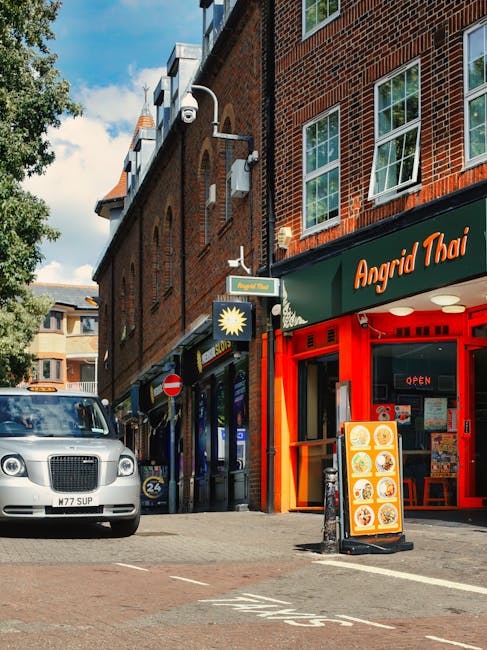
Twickenham High Street Shop Move: Costs vs Downtime
Moving a shop on Twickenham High Street sounds simple on paper. Pack the stock, move the fixtures, reopen. Easy enough, right? In reality, the real decision is usually not about moving at all - it is about how much the move will cost versus how long your shop will be closed. For many independent retailers, that balance decides whether the move feels like a smart reset or a painful interruption.
This guide breaks down Twickenham High Street Shop Move: Costs vs Downtime in plain English. You will see where the money tends to go, what causes delays, how to reduce disruption, and which moving options make sense for a small or medium retail business. If you are trying to protect footfall, cash flow, and your sanity all at once, you are in the right place.
Table of Contents
- Why Twickenham High Street Shop Move: Costs vs Downtime Matters
- How Twickenham High Street Shop Move: Costs vs Downtime Works
- Key Benefits and Practical Advantages
- Who This Is For and When It Makes Sense
- Step-by-Step Guidance
- Expert Tips for Better Results
- Common Mistakes to Avoid
- Tools, Resources and Recommendations
- Law, Compliance, Standards, or Best Practice
- Options, Methods, or Comparison Table
- Case Study or Real-World Example
- Practical Checklist
- Conclusion
- Frequently Asked Questions
Why Twickenham High Street Shop Move: Costs vs Downtime Matters
For a high street shop, downtime is not just an inconvenience. It is missed trade, disrupted routines, unsettled staff, and a hit to customer momentum. A closed door on a Saturday can sting more than a week of gradual admin costs. That is especially true on a street like Twickenham High Street, where timing matters and customers notice changes quickly.
The tricky bit is that the cheapest move is not always the best value. A low-cost move that drags out for three extra days can end up costing more than a better-planned relocation with a higher upfront price. You are not only paying for vans and labour. You are paying for speed, coordination, handling care, and the ability to get back to normal without chaos in the middle of the floor.
In our experience, shop owners often underestimate indirect costs. There is the obvious transport fee, yes, but also:
- lost sales during closure
- staff hours spent packing or supervising
- re-ticketing and merchandising time
- temporary storage or split deliveries
- damage risk to fixtures, stock, and display units
- rush costs when a forgotten item has to be fetched later
So the real question is not "How do we move?" It is "How do we move with the least damage to trade?" That is the heart of the whole thing.
How Twickenham High Street Shop Move: Costs vs Downtime Works
At a practical level, a shop move is a sequence of decisions. First comes the inventory audit. Then packing, loading, transport, unloading, and setup. Somewhere in that chain, the downtime clock starts ticking. If the move is poorly planned, the clock keeps going while everyone searches for labels or discovers a display cabinet will not fit through a doorway. Annoying. Very annoying.
A better approach is built around three linked questions:
- What must be moved first? High-value stock, tills, essential display units, or fragile equipment often need priority.
- How much can be prepared before moving day? Pre-packing, dismantling, and labelling can save hours.
- What is the acceptable closure window? A one-evening move, overnight move, or weekend move all have different cost profiles.
That is where local planning matters. If your shop needs a quick turnaround, a service such as commercial moves can be more relevant than a generic home-moving setup, because the pacing, handling, and sequencing are built for business disruption rather than household convenience.
If you need people to move stock, equipment, and bulky items in a way that does not turn the shop into a half-packed jumble for days, a smaller-scale option like man and van may suit compact moves. For heavier loads or larger fittings, a dedicated moving truck or removal truck hire can be the more sensible choice.
Downtime is not only about transport time. It includes setup time too. A shop might arrive at the new unit by noon but still not be customer-ready until shelving is assembled, signage is fitted, and the payment terminal is live. That gap is where a lot of hidden cost lives.
Key Benefits and Practical Advantages
Done well, a shop move can improve more than your postcode. It can improve trading conditions, layout efficiency, stock flow, and even staff morale. A move does not have to feel like a disaster with boxes. It can be a reset.
- Less business interruption: Careful scheduling can reduce the number of hours or days you are closed.
- Cleaner handover: Structured packing makes it easier to check stock and fixtures at both ends.
- Lower damage risk: Professional handling reduces breakage, scuffs, and avoidable wear.
- Better reopening control: Labelling and sequencing mean the most important areas can be operational first.
- More predictable costs: Planning ahead helps avoid expensive last-minute surprises.
There is also a less obvious benefit: confidence. When staff know the move is organised, they work better. Customers see a business that has its act together, not one surrounded by panic and packing tape at 8:45 on a Monday morning.
If you are moving more than just a few racks and cartons, support services such as packing and unpacking services can save time that would otherwise be swallowed by labour, labels, and re-checking. And if your fixtures need to be shifted or collected separately, furniture pick up may help keep the move tidy rather than chaotic.
Who This Is For and When It Makes Sense
This topic matters to a wide range of shop owners, not just big retailers. In fact, smaller businesses often feel downtime more sharply because they have less cushion. One day closed can be a headache; three days closed can be a proper mess.
You are likely a fit for this kind of planning if you are:
- moving between Twickenham retail units or into a nearby side street location
- expanding into a larger unit and need to protect opening dates
- downsizing but want to keep trading disruption minimal
- closing one site and merging stock into another
- relocating a boutique, salon-style retail space, showroom, or specialist store
It also makes sense if your business depends on visible presentation. Clothing stores, gift shops, tech retailers, interiors shops, and service-led high street businesses all rely on a polished reopening. If your fixtures, displays, and stock presentation are part of the sale, downtime is not just about lost hours - it affects brand impression too.
For owners comparing move styles, it is worth looking at how different service types support different outcomes. A straightforward local transfer may work with a man with van setup, while a more structured business relocation may need dedicated office relocation services-style planning, even if the space is retail rather than office-based. The principle is the same: organise the move around workflow, not just transport.
Step-by-Step Guidance
Here is a practical way to approach the move without losing the plot halfway through. It is not glamorous, but it works.
- Audit everything you plan to move. Separate stock, fixtures, fittings, signage, IT, and breakables. Do not just write "shop stuff" on a clipboard and hope for the best.
- Decide what must reopen first. Your till, card machine, key stock lines, and front-of-shop displays should be prioritised.
- Estimate the closure window honestly. Be realistic. If your team needs a full day to rebuild displays, say so early.
- Choose the right moving method. A compact transfer may suit a lighter van-based move. Larger or fragile loads may need a truck and more hands.
- Pre-pack non-essential items first. Archive stock, spare fittings, and off-season items can go early if they will not affect trading.
- Label by destination and priority. Use simple labels like "front window," "till area," "back stockroom," and "open first."
- Check access at both ends. Loading bays, steps, lift access, narrow corridors, and parking restrictions all matter. Twickenham roads can be less forgiving than you would like.
- Protect the reopening plan. Keep one person responsible for the order of setup so everyone is not doing everything at once.
A small but useful trick: keep a "day one" box. Put in tape, scissors, charger cables, extension leads, spare pens, a list of supplier contacts, and basic cleaning supplies. It sounds trivial. Then opening day arrives and, well, it becomes the most important box in the room.
Expert Tips for Better Results
The difference between an expensive move and a controlled one often comes down to tiny decisions made early. The kind that do not look important at the time. Then they save your whole afternoon.
1. Move by trading priority, not by room.
Think in terms of what helps you sell again. A display table may matter more than a storage shelf. Your fastest path to reopening is not always the neatest one.
2. Build in a buffer.
Even a well-run move can hit a snag: a van arrives slightly late, a fitting needs dismantling, or the new unit needs a quick clean before stock goes in. A buffer reduces stress more than any pep talk ever could.
3. Keep fragile and high-value items separate.
Jewellery displays, glass shelving, electronics, mirrors, and branded equipment deserve extra care. You do not want to discover a cracked item after the shop has reopened.
4. Use the slow hours.
If you can move after close or during a quieter trading window, you may reduce customer disruption. Sometimes the evening shift is better than the daytime rush, even if it means a later finish.
5. Be honest about help needed.
If your team is already stretched, do not pretend they can pack, move, clean, and reopen in one go. That's how people end up carrying boxes with the expression of someone who has lost an argument with a wardrobe.
Where the move is business-critical, many owners benefit from combining local transport with structured packing support. That can be simpler than trying to organise it all in-house while still serving customers and taking calls.
Common Mistakes to Avoid
A lot of move problems are surprisingly ordinary. Not dramatic. Just ordinary things ignored for too long.
- Assuming the cheapest quote is the best value. It may leave out packing, handling, waiting time, or extra labour.
- Underestimating downtime. Reopening takes longer than moving boxes from one address to another.
- Poor labelling. If every box says "misc," you have basically chosen confusion.
- Not measuring fittings. Shelving, counters, and display units need checking before move day.
- Forgetting parking or access issues. A van cannot help much if it cannot stop safely near the entrance.
- Leaving stock checks until after the move. That creates a scramble right when you need clarity.
- Trying to do the whole move without a plan for setup order. You end up with stock everywhere and no customer-ready front.
Another common mistake is mixing disposal, relocation, and setup into one vague job. If you have unwanted furniture or old fixtures, handle that separately. It keeps the main move cleaner and faster, and it stops one task from swallowing the entire schedule.
Tools, Resources and Recommendations
You do not need a complicated toolkit to manage a shop move well. You need the right basics, used consistently. The boring stuff matters here.
- strong boxes in mixed sizes
- packing tape and spare tape rolls
- labels or marker pens that actually show up on cardboard
- stretch wrap for awkward fixtures
- blanket protection for delicate items
- inventory sheets or simple spreadsheets
- measuring tape for fittings and access points
- basic tools for dismantling shelves and units
For a business-focused move, it also helps to use services that match the load profile. A smaller move may only need a flexible local team. A larger, heavier, or multi-load relocation may justify a dedicated truck solution. If you are trying to keep things lean, a mixed approach can work well: use the right vehicle for the bulky items and a more focused packing service for the rest.
Some shop owners also find it useful to separate the move into layers: stock move, fixtures move, and final merchandising. That way you are not trying to do everything in one breath. Which, frankly, nobody enjoys.
Law, Compliance, Standards, or Best Practice
Retail moves in the UK often involve ordinary business duties rather than one dramatic legal hurdle, but you should still treat compliance seriously. The main risks usually sit around safety, access, property use, and responsible handling of goods.
Good practice generally includes:
- making sure the route in and out is safe for staff and movers
- checking whether any parking, loading, or access arrangements are needed in advance
- avoiding overloaded boxes that could split or injure someone
- keeping walkways clear during loading and unloading
- protecting fragile stock and electrical equipment from damage
- coordinating opening and closure times carefully so customers are not left confused
If your move includes commercial equipment, branded materials, or sensitive stock, it is sensible to document what was moved and when. That simple record can help if anything goes missing, arrives damaged, or needs checking against supplier paperwork.
Also, do not ignore lease terms, landlord requirements, or shop-front conditions. Many businesses forget that the move itself is only one part of the process. Handover standards, keys, meter readings, and condition checks all need attention too. A bit dull, yes. Still important.
For peace of mind, it can be useful to review the provider details on about us and make sure the service approach fits your expectations, and to check the practical booking details through contact us before committing to a moving date.
Options, Methods, or Comparison Table
Different moving methods suit different retail situations. The best choice depends on how much you need to move, how quickly you need to reopen, and how much handling support you want on the day.
| Option | Best for | Cost style | Downtime impact | Notes |
|---|---|---|---|---|
| Small van-based move | Compact stock transfers, light fixtures, short distances | Usually lower upfront cost | Can be quick if well packed | Best when the load is manageable and access is straightforward |
| Full commercial move | Heavier retail setups, multiple fixture types, more complex timing | Higher, but often more coordinated | Often lower overall downtime when planned properly | Useful when reopening speed matters more than bare-minimum pricing |
| Truck hire with crew support | Large fixtures, bulk stock, mixed access conditions | Moderate to higher depending on size | Good for reducing repeated trips | Works well when the move needs capacity and a structured loading process |
| Split move over two stages | Businesses that can pre-move non-essential items | Can be efficient if carefully managed | Often lower peak disruption | Useful when trading must continue for part of the process |
There is no universal winner. A tiny boutique with a few rails and shelves may do fine with a lighter setup. A shop with counters, stockrooms, and delicate presentation equipment may be better served by a more complete commercial relocation plan.
Case Study or Real-World Example
Imagine a Twickenham High Street gift shop moving a short distance to a slightly larger unit. The owner wants the new shop open by the weekend because that is when most browsing happens. A cheap one-off move might appear attractive, but it would also mean more DIY packing, more trips, and a bigger chance that the first day back is spent hunting through unlabelled boxes.
Instead, the owner splits the move into three parts. First, non-essential back stock is packed early. Second, display stock and till equipment are prioritised for move day. Third, the old shelves and remaining fixtures are removed after the main trading items are in place. The result is not magic, just structure. The closure is shorter, the reopening is calmer, and the shop looks like a shop again instead of a storage cupboard with a counter.
The important lesson is that a slightly higher service cost can be easier to justify if it cuts one full day of lost trade. That does not mean every move needs premium support. It means the cost of downtime should be treated as a real number in the decision, not as an awkward afterthought.
And, to be fair, many owners only realise this once they have lived through a messy move. Nobody learns that lesson happily. But it does stick.
Practical Checklist
Use this simple checklist before the move date arrives:
- confirm your new unit access times
- measure doorways, aisles, and any awkward corners
- separate stock, fixtures, equipment, and rubbish
- label boxes by priority and destination zone
- back up digital data and save key supplier contacts
- set aside a day-one box for essentials
- protect fragile items with suitable wrapping
- plan who opens, who receives, and who sets up
- arrange parking or loading access where needed
- check the reopening schedule before you lock in the move
One more thing: keep a clean chain of responsibility. If everyone is "kind of" in charge, nobody really is. That is when small problems become expensive ones.
Get a free quote today and see how much you can save.
Conclusion
When you compare costs versus downtime for a Twickenham High Street shop move, the cheapest option is not automatically the smartest one. The better decision is the one that gets you trading again quickly, protects your stock and fixtures, and avoids a messy reopening that eats into sales and staff time.
Plan the move around your trading rhythm, not just the van booking. Choose the right level of support, prepare early, and keep the setup sequence simple. That is usually where the real savings are found.
If your move is handled with care, it can feel less like disruption and more like a reset. And that, honestly, is the goal.
Frequently Asked Questions
How do I compare move costs with downtime for a shop relocation?
Start by listing the direct moving fee, then add the cost of lost trade for every hour or day your shop is closed. If a slightly more expensive service reduces closure time, it may still be the better value overall.
What causes the most downtime during a high street shop move?
The biggest delays usually come from poor packing, unclear labelling, access problems, and underestimating setup time at the new premises. Moving items is often the quick part; reopening is what takes longer.
Is a man and van service enough for a small retail move?
Sometimes, yes. If your stock and fixtures are light, compact, and well prepared, a man and van arrangement can be practical. For more complex retail moves, you may need a fuller setup.
Should I move shop fixtures and stock at the same time?
It depends on your setup. Many shops do better by moving priority stock first and handling bulky fixtures in a planned sequence. That approach can reduce confusion and help you reopen faster.
How far in advance should I plan a shop move?
As early as you can. Even a small move benefits from a lead-in period for inventory checks, packing, access planning, and staff coordination. Leaving it late nearly always increases stress and cost.
What can I do to reduce closure time during the move?
Pre-pack non-essential items, label everything clearly, move during quieter hours if possible, and decide in advance what must be set up first. A day-one box and a clear reopening order help more than people expect.
Do I need packing help for a retail move?
Not always, but it is often worthwhile when the shop has fragile stock, mixed fixtures, or limited staff availability. Packing and unpacking services can save time and reduce breakages.
How do I avoid damage to displays and shelving?
Measure fittings before moving, dismantle items properly, wrap delicate surfaces, and keep hardware with the correct unit. A few minutes spent labelling screws and fittings can save hours later.
What should I check before moving a shop in Twickenham?
Check access, parking, loading options, opening times, lease obligations, and the layout of the new unit. Twickenham High Street can be straightforward in some stretches and awkward in others, so it pays to plan the logistics carefully.
Is it worth using a larger truck for a local shop move?
If you have bulky stock, heavy counters, or multiple trips would cause extra downtime, a larger vehicle can be worth it. Fewer journeys often mean a cleaner, quicker move.
How do I know whether I need commercial move support?
If you are moving business assets, time-sensitive stock, or fitted retail equipment, commercial support is usually the safer choice. A service shaped around businesses is more likely to keep the move organised and reduce disruption.
What is the biggest mistake shop owners make when moving?
Underestimating reopening time. Many owners focus on transport and forget that getting the shop ready for customers is a separate job. That is where delays and surprise costs often appear.
Can I reduce costs without increasing downtime too much?
Yes. The best savings usually come from preparing early, reducing repeated handling, and choosing the right service level for your load. Cutting corners on packing or planning, though, often ends up costing more.
Who should I speak to first when planning the move?
Start with the people managing the new premises, then speak with your moving provider, then brief staff on timing and responsibilities. If you need to discuss service details directly, the contact page is the sensible starting point.